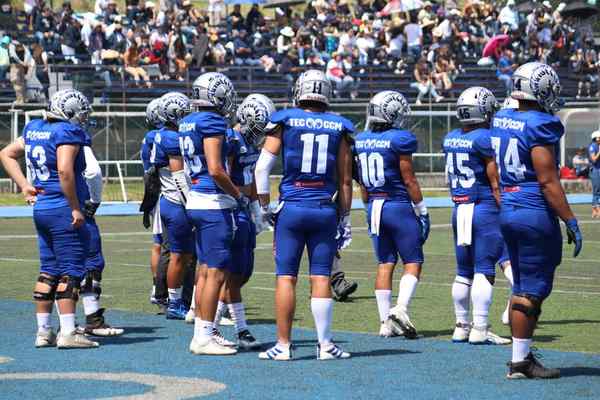

A blitz in American football is a defensive pressure tactic in which the defense sends an extra or unexpected rusher toward the quarterback instead of relying only on its standard pass rush. The goal is to speed up the quarterback’s decision, disrupt the timing of the play, and create a sack, hurried throw, turnover opportunity, or negative gain. The best blitzes are also built on disguise. A defense wants the offense to be uncertain about who is rushing, where the rush is coming from, and which areas of the field are still covered.
What Actually Makes a Play a Blitz?
On a typical passing play, a defense may rush four players and drop seven into coverage. A defensive blitz usually adds a linebacker, safety, cornerback, or another defender to the rush. The trade-off is simple: more pressure, but fewer defenders available in coverage.
Not every unusual rush is technically a blitz. A defense can crowd the line with several potential rushers, then send only four while dropping someone else into coverage. These simulated pressures can disrupt protection calls without actually adding an extra rusher.
Why Defenses Use the Blitz
To Make the Quarterback Play Faster
A blitz does not need to end in a sack to succeed. If the quarterback is forced to throw before a route develops, abandon his first read, or move off his preferred throwing spot, the defense may already have won the play. Quarterback pressure can turn a well-designed pass into a rushed checkdown or an inaccurate throw.
To Create Better Matchups
By threatening several gaps at once, the defense can force the offense to decide whom to block. That can isolate an elite edge rusher or force a running back to handle a charging linebacker. Good blitz design is often about creating one favorable matchup.
To Attack Protection Rules
Offensive lines use protection rules to identify likely rushers and divide blocking assignments. Defenses study those rules and try to stress them. An overload may bring more defenders from one side than the offense can comfortably block, while a double A-gap look threatens both sides of the center.
Common Types of Blitzes
Linebacker Blitz
A linebacker attacks an interior gap or rushes around the edge. Because linebackers also have run and coverage responsibilities, their intentions can be hidden until close to the snap.
Safety or Corner Blitz
A defensive back can rush from the edge using speed and surprise. A slot corner may appear to be in coverage before attacking the quarterback, forcing the defense to replace that coverage responsibility elsewhere.
Zone Blitz
A zone blitz combines pressure with zone coverage. A linebacker or defensive back may rush while a defensive lineman drops into a short zone, potentially fooling a quarterback who expects the area behind the blitzer to be open.
The Chess Match Before the Snap
Much of blitz strategy happens before the snap. Defenders may crowd the line, shift between gaps, or show several possible rushers. The quarterback and center must identify the biggest threats and set the protection. After the snap, the defense may bring pressure or drop back into a more conservative rush.
Imagine third-and-8. Two linebackers line up in the A-gaps beside the center, while a slot corner creeps toward the line. The offense keeps a running back in to help. At the snap, one linebacker drops into coverage while the other linebacker and corner rush. Because the line squeezed inward to respect the middle pressure, the corner gets a shorter path to the quarterback. Even without a sack, the blitz may force a throw before a deeper route reaches the first-down marker.
This is why learning how quarterbacks read defenses is so useful for intermediate fans: the play is not simply blockers versus rushers. It is a contest of identification, leverage, timing, and deception.
How Offenses Counter a Blitz
Offenses have several answers. The quarterback can change the protection, keep a tight end or running back in to block, or throw quickly into space created by the blitzer. Screens and short crossing routes can be especially effective because aggressive defenders may take themselves out of position once they commit to the rush.
The quarterback also has a major role in pass protection. Against some pressures, the offensive line blocks a defined group of defenders while the quarterback is responsible for recognizing an unblocked rusher and getting the ball out before that player arrives. A useful viewing tip is to watch the running back on obvious passing downs. If the back stays in instead of releasing into a route, he may be scanning for a blitzing linebacker or defensive back.
Related topics such as pass protection in football, NFL defensive formations, and how quarterbacks read defenses are natural internal-linking opportunities because they explain the pressure battle from different angles.
Why Blitzing Can Backfire
The advantage of sending extra rushers comes with risk. One fewer defender in coverage can leave a receiver in a favorable one-on-one matchup or create open space behind the blitz. If the quarterback recognizes the pressure early and the blocking holds long enough, the offense may produce a big play.
Blitzes can also be punished by screens, quick throws, draw plays, and mobile quarterbacks. That is why defenses mix true blitzes with simulated pressures and conventional four-man rushes instead of attacking the same way on every passing down.
Blitzing Is About More Than Sacks
Fans often judge a blitz by sacks, but a hurried incompletion on third down can be just as valuable. Forcing the quarterback off his spot or into a rushed decision can make the call successful.
A pass rush is any attempt to pressure the quarterback on a passing play. A blitz is a specific strategy that changes the normal rush by adding or disguising rushers. A strong defensive front may create pressure with only four players and never blitz at all.
FAQ
How many players usually rush on a blitz?
A conventional blitz often involves five or more rushers, although terminology can vary by defensive system. The broader idea is that the defense adds or unexpectedly uses a defender as part of the pressure.
What is the difference between a blitz and quarterback pressure?
Quarterback pressure is the result: the defense makes the quarterback uncomfortable or forces him to react. A blitz is one method used to create that pressure. A defense can generate pressure without blitzing.
What is the best offensive answer to a blitz?
There is no single answer. The offense may adjust protection, use extra blockers, throw quickly, call a screen, or attack the coverage weakness created by the extra rusher. Recognition before and immediately after the snap is often decisive.
Understanding the Blitz Changes How You Watch Defense
Once you understand what a blitz is in American football, defensive play becomes easier to read as a coordinated strategy rather than a collection of players chasing the quarterback. Watch who threatens the line, who actually rushes, who drops into coverage, and how the offense changes its protection. The best blitzes create uncertainty before they create contact, forcing the quarterback and blockers to solve a problem quickly. One wrong answer can change a drive.