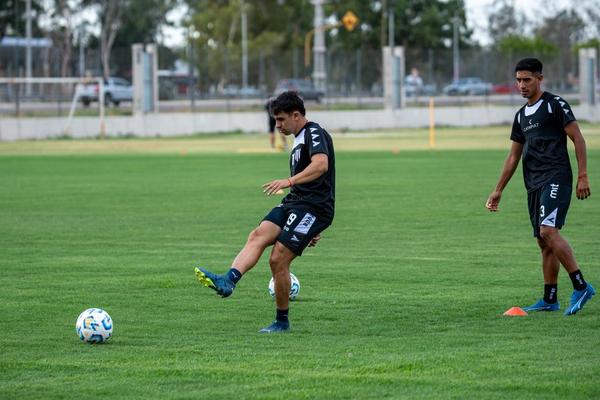

When children arrive at soccer practice, they rarely care about tactical systems or perfect technique. They want to move, touch the ball and feel part of the game. That is why the best youth soccer training drills combine learning with energy and enjoyment. For parent-coaches, the challenge is choosing activities that build real skills without turning practice into a lecture.
A session gives every player plenty of touches, simple decisions and repeated chances to succeed. These are youth soccer training drills every coach should know, and each can be adapted for different ages, abilities and group sizes. They also fit practical soccer practice plans.
Start With a Ball-Focused Warm-Up
Traditional warm-ups often involve jogging without a ball. That raises the heart rate but misses valuable learning time. In youth sports, every minute matters, especially during an hour-long practice. Whenever possible, give each player a ball from the start.
Free Dribbling in a Grid
Mark a square with cones and ask every player to dribble inside it. Encourage them to use both feet, change direction and keep the ball close. Add simple instructions such as stopping the ball with the sole, performing a turn or accelerating into open space.
This is one of the most useful soccer drills for kids because it develops confidence without immediate pressure. Coaches can observe who controls the ball comfortably and who needs support. Keep instructions brief and let players learn through repetition.
Build Close Control With Gates
Dribble Through the Gates
Set up pairs of cones around the area to create small gates. Players score a point each time they dribble through a different gate. Ask them to keep their heads up so they can find space, avoid teammates and choose the next target.
To increase the challenge, require the weaker foot, a turn after each gate or a short time limit. These variations make ball control drills more engaging while reinforcing balance, awareness and changes of speed. Confident players can receive tougher conditions, while beginners focus on moving under control.
Teach Passing Through Simple Partnerships
Pass and Move
Place players in pairs with one ball between them. They pass back and forth while moving across a small area rather than standing still. Encourage the receiver to take a first touch into space, then pass with the inside of the foot.
The points are simple: look before receiving, present a passing option and move after releasing the ball. Young players often admire their pass instead of finding a new position, so gentle reminders help create better habits. For experienced groups, add a defender or require passes through cone gates.
Four-Corner Passing
Create a square with a player at each corner. One player passes to the next corner, follows the pass and joins that line. The ball continues around the square. Once the pattern is understood, reverse the direction or allow players to choose where to pass.
This drill teaches communication, receiving shape and movement after the pass. It also helps explain why players should not remain in one place during a match.
Develop Defending and Shielding Skills
Protect the Ball
Put players in pairs inside a small area. One player protects the ball for a set number of seconds while the partner attempts to win possession. The attacker should keep the body between the defender and the ball, use small touches and change direction when necessary.
This activity develops balance and confidence under pressure. It also teaches defenders to stay patient rather than simply kicking at the ball. Rotate roles frequently so both players practise attacking and defending.
One-on-One to a Gate
Create a short channel with a cone gate at one end. The attacker tries to dribble through the gate, while the defender attempts to delay or win the ball. Keep each round quick so players receive several attempts.
One-on-one drills matter because matches are full of individual contests. Praise brave decisions, recovery runs and intelligent defending, not just goals.
Improve Finishing Without Long Lines
Dribble and Shoot
Set up two or more starting points so players are not waiting in one queue. Each player dribbles toward goal, changes direction around a cone and shoots. Encourage accuracy before power and ask players to use both feet.
Vary the starting angle, add a passive defender or require a move before the shot. The aim is repeated finishing opportunities while keeping everyone active.
Quick Combination to Goal
Place a coach or teammate near the scoring area. The player passes forward, receives a return pass and shoots. This simple combination introduces timing and first-touch preparation, and it feels more like a match than shooting from a stationary ball.
Use Small-Sided Games to Connect the Skills
Drills teach specific actions, but children also need freedom to apply them in games. Finish most sessions with three against three or four against four. Smaller teams mean more touches, more decisions and greater involvement for every player.
Try wide cone goals, end zones or a rule that rewards several passes before scoring. Avoid stopping play every few seconds. Let the game continue, make brief coaching points and restart quickly.
Good coaching is often about knowing when not to speak. Players learn by solving problems, making mistakes and trying again. The game should remain the most enjoyable part of practice.
How to Build a Balanced Practice Session
A simple session can begin with ten minutes of ball-based movement, followed by fifteen minutes of dribbling or passing, fifteen minutes of opposed practice and twenty minutes of small-sided games. Adjust the timing for age, attention span and group size.
Choose one main theme instead of trying to teach everything at once. A session focused on receiving might include free dribbling, pass-and-move work, a one-on-one activity and a game that rewards successful passes. This creates a clear learning journey.
Prepare spare balls and one easy variation for each drill. If an activity is too difficult, increase the space or remove a defender. If it is too easy, reduce the area, add pressure or introduce a time target.
Frequently Asked Questions
How long should a youth soccer drill last?
Most drills should last five to fifteen minutes, depending on age and engagement. Change the activity before concentration disappears, but allow enough repetition for genuine learning.
How many drills should be included in one practice?
Three or four connected activities are usually enough, followed by a small-sided game. Too many drills create setup time and prevent players from settling into the session.
What equipment is needed for youth soccer training?
Balls, coloured cones, bibs and portable goals are enough for most sessions. Creative coaching matters more than expensive equipment.
Should every drill include competition?
No. Competition can increase energy, but players also need low-pressure time to explore skills. Use races and points selectively, keeping the focus on improvement rather than only winning.
Conclusion
The most effective youth soccer training drills are simple, active and connected to the game. They give children frequent contact with the ball, encourage decision-making and create a positive environment where mistakes are part of learning. By combining ball control, passing, defending, finishing and small-sided play, coaches can build sessions that develop skill while protecting the joy that brings young players back each week.