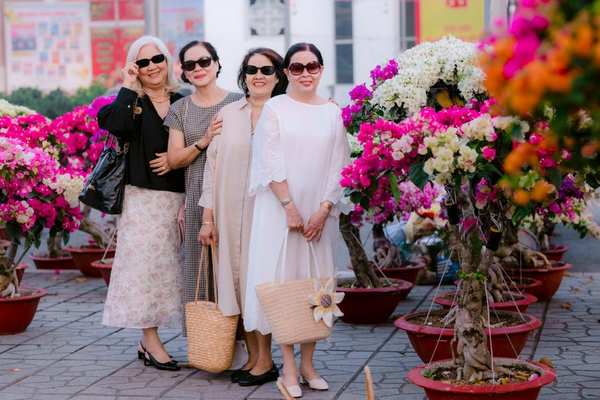

Great style after 50 is less about following rules and more about knowing which shapes, fabrics and proportions make everyday dressing easier. For women in the UK, that often means building outfits that can cope with changeable weather, work across different settings and still feel contemporary without chasing every trend. The strongest wardrobes usually combine reliable basics with a few modern updates, so getting dressed feels simple rather than restrictive.
Fashion for women over 50 UK shoppers can be far more varied than age-based style advice suggests. The key is to choose clothes for the life you have now, not for an idea of how someone over 50 is “supposed” to dress.
Start With Fit, Not Age
The most useful over 50 style tips begin with fit. A well-cut jacket, trouser or dress will usually look more polished than an expensive piece that pulls, bunches or overwhelms your frame. Rather than focusing on the number on the label, pay attention to shoulder position, waist placement, sleeve length and where hems finish.
For trousers, a mid- or high-rise cut can create a clean line through the waist, while straight-leg and wide-leg styles both work well depending on your proportions. If you are petite, look for short or petite lengths instead of automatically taking up a regular pair; this preserves the intended shape through the knee and leg.
For a weekend lunch, try dark straight-leg jeans, a soft V-neck knit, a relaxed blazer and clean trainers or loafers. It feels current and comfortable without looking age-prescriptive.
Build Around a Flexible Core Wardrobe
A useful wardrobe does not need dozens of pieces. A smaller group of clothes that work together can give you more options than a packed rail of one-off purchases. Start with trousers and jeans you genuinely enjoy wearing, then add shirts, fine knits, jackets and dresses that can be layered.
Neutral shades such as navy, charcoal, cream, chocolate and olive are easy foundations, but mature women clothing UK ranges go far beyond beige basics. Burgundy, cobalt, teal and rich green can add energy without making an outfit difficult to style.
For further reading within an age-specific style section, natural internal topics could include capsule wardrobe essentials, how to find your best colours, and flattering jeans for different body shapes.
Use Modern Proportions to Keep Outfits Fresh
You do not need a wardrobe full of new trends to look current. Small changes in proportion often make the biggest difference. A slightly shorter jacket over high-waisted trousers, a tucked or half-tucked shirt, or a longer coat over a simple column of colour can update pieces you already own.
Relaxed tailoring
Soft blazers and fluid trousers are especially useful because they bridge smart and casual dressing. Choose enough structure at the shoulder to give shape, but avoid anything so stiff that it feels like office uniform. Linen blends, light wool, ponte and soft twill can be practical choices across the UK seasons.
Wide-leg trousers
Wide-leg trousers remain an easy way to modernise a wardrobe, particularly when paired with a more fitted or neatly tucked top. Balance matters: if both the top and bottom are very oversized, the outfit can lose definition. A shorter knit, fitted tee or softly shaped blouse keeps the silhouette intentional.
Knitwear with personality
Fine knits are useful for layering, but they do not have to be purely practical. Texture, interesting necklines, subtle stripes and stronger colour can make knitwear the focus of an outfit. In the UK climate, a cardigan or lightweight jumper that can be removed easily is often more useful than a heavy layer worn only in deep winter.
Choose Fabrics That Feel Good All Day
Comfort is part of good style, not the opposite of it. Natural fibres such as cotton, linen and wool can feel breathable and substantial, while modern blends may add stretch, crease resistance or easier care. Check the fabric composition rather than judging a garment only by how it looks on the hanger.
If temperature changes or hot flushes are a consideration, light layers are usually more practical than one thick piece. A breathable base layer, fine knit and jacket can be adjusted through the day. This is where thoughtful age-appropriate fashion should really focus: not on hiding the body, but on making clothes work for comfort, movement and real life.
Let Accessories Do Some of the Work
Accessories can update familiar clothes quickly. A modern bag, sculptural earrings, patterned scarf or strong glasses can give personality to a simple outfit. Loafers, low block heels, sleek trainers and ankle boots can look polished while remaining practical.
Instead of saving jewellery or a good handbag for special occasions, use them with everyday outfits. A white shirt and navy trousers can feel entirely different with a colourful crossbody bag and silver earrings than with a traditional tote and pearls.
Ignore Rules That Make You Feel Smaller
Advice aimed at women over 50 can sometimes become a list of prohibitions: do not wear bright colours, do not show your arms, avoid denim, avoid prints, avoid trends. Most of those rules are unnecessary. The better question is whether a garment fits well, suits your lifestyle and feels like you.
If you love print, wear it. If you prefer minimal tailoring, keep it simple. If trainers make your day easier, build outfits around them. Personal style becomes stronger when you edit trends rather than abandon them altogether.
FAQ
What should a woman over 50 wear in the UK?
There is no single formula. A versatile wardrobe might include well-fitting jeans, tailored or wide-leg trousers, knitwear, shirts, a good coat, relaxed blazers, comfortable shoes and a few dresses. Choose pieces around your routine, climate and personal taste.
How can I look stylish over 50 without dressing too young?
Focus on modern cuts rather than obviously youth-led trends. Updating trouser shapes, jacket proportions, footwear or accessories can make an outfit feel current while still looking natural and confident.
What colours are flattering for women over 50?
The best colours depend more on your complexion, hair and personal preference than age. Try holding different shades near your face in natural light. If black feels harsh, softer neutrals such as navy, charcoal, taupe or chocolate can be useful alternatives.
Where should I start if my wardrobe no longer feels like me?
Begin with three outfits you need most often, such as casual daytime, smart casual and an evening look. Identify the pieces that already work, then replace only the weakest gaps. This prevents an expensive wardrobe overhaul and keeps your style connected to what you actually wear.
Style That Works for the Life You Have
The best fashion for women over 50 UK wardrobes is practical, personal and flexible. Good fit, modern proportions, comfortable fabrics and thoughtful colour choices matter far more than age-based rules. Build around pieces you reach for repeatedly, add updates selectively and give yourself permission to wear clothes because they make you feel good. A wardrobe that reflects your real life will always look more convincing than one built around someone else’s idea of what 50-plus style should be.