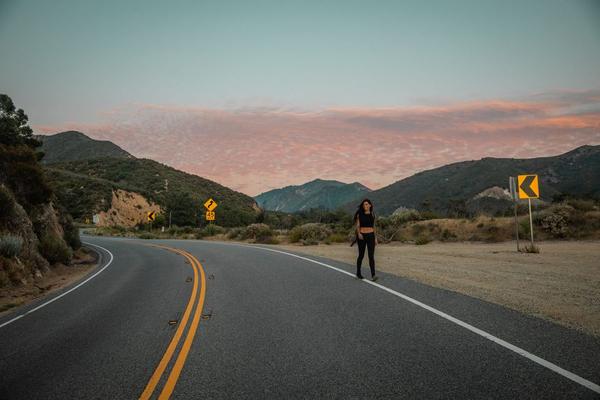

Solo travel in the United States can feel wonderfully freeing: you choose the route, set the pace, and change plans without negotiating with anyone else. Safety considerations can shift quickly from a busy downtown to a remote desert road or mountain trail. The smartest approach is to build habits that reduce avoidable risks and leave you more confident when plans change.
Plan Around the Exact Place, Not Just the City
A city can contain lively visitor districts, quiet residential streets, transport hubs, nightlife areas, and isolated blocks within a few miles. Before booking accommodation, check the immediate neighbourhood, recent guest reviews, late-night transport options, and the walking route from the nearest station or parking area. If you expect to arrive after dark, choose a property with a staffed reception or straightforward self-check-in and a well-lit entrance.
This is useful when comparing safe solo travel destinations. No city is uniformly “safe” or “unsafe,” and conditions vary by neighbourhood, time, weather, events, and your planned activities. Focus on whether your itinerary, accommodation, and transport choices make sense for the places you will use.
Share a Simple Itinerary With Someone You Trust
Traveling alone safely becomes easier when one trusted person knows your basic plan. Send them your accommodation name, major transport details, and any day trip that takes you away from populated areas. Agree on a realistic check-in time. If you change cities or take an unplanned hike, update them.
For outdoor trips, this matters even more. The National Park Service recommends sharing a trip plan and not relying entirely on a mobile phone because service and battery life can fail. Download offline maps where available, carry essential supplies, and check park alerts, closures, and weather before setting out.
Make Your Phone a Safety Tool
Keep your phone charged, carry a small power bank, and save key information somewhere you can access without mobile data. That can include your hotel address, emergency contact, reservation numbers, and a screenshot of your return route. Leave Wireless Emergency Alerts enabled; they can deliver urgent warnings for hazards such as tornadoes, flash floods, hurricanes, and other emergencies when you are in an affected area.
For a genuine emergency requiring immediate police, fire, or ambulance assistance in the United States, call 911. In remote areas, remember that a phone may not have service, so your solo travel precautions should include offline navigation and a clear return plan.
Use Transport With a Clear Pickup and Exit Plan
Airports, train stations, and nightlife districts are moments when solo travellers may be tired, distracted, and handling luggage. Before arriving, know where the official taxi, rideshare, shuttle, or public transport pickup point is. If using a rideshare, confirm the vehicle and driver details shown in the app before getting in, and avoid unsolicited rides outside the official pickup system.
Imagine landing in a large city at 10:30 p.m. after a delayed flight. Instead of standing outside searching for options, you already know the designated pickup zone, have your hotel address saved offline, and have sent your expected arrival time to a friend. A few minutes of preparation removes several decisions when you are most tired.
Keep Money, Identification, and Valuables Separated
Do not carry every bank card, all your cash, and your only identification in one wallet. Keep a backup payment method in a separate secure place. When flying domestically, adult passengers should travel with identification accepted by the Transportation Security Administration. Since REAL ID enforcement began in May 2025, a non-compliant state-issued licence is not accepted by itself at TSA checkpoints; travellers need a REAL ID-compliant credential or another acceptable form of identification, such as a passport.
In hotels and hostels, use available lockers or safes for items you do not need during the day. In cafes, stations, and airports, keep bags where you can see them.
Stay Aware Without Looking Anxious
Good solo trip safety is usually quiet and routine. Keep alcohol within limits that allow clear decisions, avoid broadcasting that nobody knows where you are, and trust yourself when a situation feels wrong. You do not need to justify leaving a conversation, changing seats, entering a busy shop, or cancelling a plan.
Keep headphone volume low in unfamiliar areas. If you need directions, step into a hotel, shop, visitor centre, staffed station, or other public place instead of standing distracted with your phone.
Match Your Safety Plan to the Environment
The USA includes desert heat, high-altitude trails, hurricane-prone coasts, snowy mountain passes, wildfire zones, and places where summer storms can become dangerous quickly. Check local forecasts and official alerts each day. In national parks, follow current ranger guidance, stay on designated routes, keep a safe distance from wildlife, and turn around if conditions change.
Driving deserves its own plan. Long distances can mean limited fuel, weak mobile coverage, and few services. Keep drinking water in the vehicle, avoid letting the fuel level get too low in rural areas, and take breaks before fatigue becomes a problem.
Build a Small Personal Safety Routine
A useful routine can be simple: check the next day’s route before bed, confirm how you will return after evening activities, keep your phone well charged when going out, and send one check-in when your plans take you somewhere remote. These habits create a safety net without constant risk assessment.
Related planning topics worth exploring include solo female travel in the USA, a first-time solo travel checklist, and guides to the best US cities for solo travellers.
Frequently Asked Questions
Is solo travel in the USA safe?
Solo travel can be managed safely with sensible preparation, but risk varies by location, timing, transport, weather, and activity. Research the exact areas on your itinerary, use reliable transport, keep someone informed of major plans, and adjust your route when local conditions change.
What should I do if I feel unsafe while traveling alone?
Move toward a staffed, public, well-lit place such as a hotel lobby, shop, station, or restaurant. Contact someone you trust and arrange reliable transport if needed. If there is an immediate threat or emergency requiring police, fire, or ambulance assistance, call 911.
Should I share my live location during a solo trip?
It can be useful for selected journeys, especially late-night transfers or remote day trips, but continuous sharing is not essential. A trusted contact who knows your itinerary and expected check-in time can provide support.
What are the key solo travel precautions for national parks?
Check current park alerts and weather, choose an activity within your ability, share a trip plan, carry essential supplies, download offline maps, and do not assume your phone will have a signal. Turn back if weather, daylight, trail conditions, or your energy level make continuing uncertain.
Travel With a Plan You Can Adapt
The best solo travel safety tips for the USA are less about memorising warnings and more about making good decisions before you are tired, lost, rushed, or offline. Know the area you are entering, protect your transport and communication options, prepare for the local environment, and give yourself permission to change plans. Those habits support the real goal of solo travel: enjoying the freedom of the journey with enough preparation to handle the unexpected.