
Travel has a way of teaching quick lessons. The suitcase wheel that breaks on cobblestones. The backpack strap that digs into your shoulder halfway through a train station sprint. The charger forgotten at home. The water bottle that leaks into a passport pocket at exactly the wrong time.
Good gear cannot guarantee a perfect trip, but bad gear can absolutely complicate one.
That is why honest Travel Gear Reviews matter. Travelers are often surrounded by marketing language promising lightweight genius, revolutionary packing systems, and life-changing accessories that somehow fit in a carry-on. Real usefulness is usually less dramatic. The best travel gear tends to be dependable, comfortable, durable, and quietly helpful.
Instead of chasing trends, it helps to understand what categories truly improve travel and what qualities deserve attention before buying.
What Makes Travel Gear Worth Carrying
Every item on a trip competes for space and weight. If something earns room in your bag, it should solve a real problem.
Useful gear typically does one of three things: saves time, increases comfort, or reduces stress. Sometimes it does all three.
A bag that glides smoothly through airports saves energy. A universal charger prevents headaches. Packing cubes make unpacking easier. A quality jacket handles shifting weather without needing three backups.
Travel Gear Reviews are most valuable when they focus on function in real conditions rather than showroom aesthetics.
Luggage That Handles Real Movement
Suitcases are often judged in living rooms and regretted in transit.
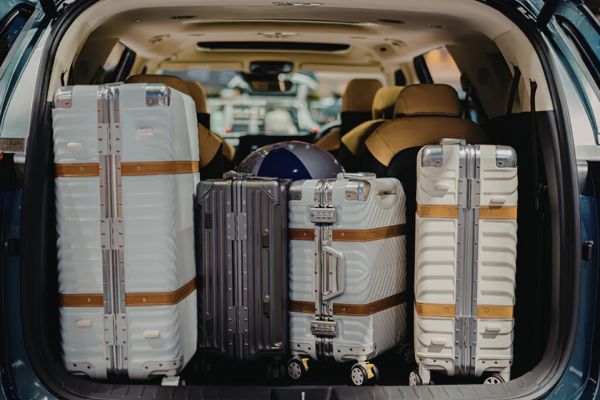
The best rolling luggage usually combines sturdy wheels, a strong telescoping handle, balanced weight, and durable corners. Smooth movement matters more than many people realize. A suitcase dragged through airports, sidewalks, stations, hotel corridors, and uneven streets quickly reveals design flaws.
Hard-shell luggage can offer structure and weather resistance. Soft-sided luggage may provide flexibility and exterior pockets.
Neither type wins universally. The right choice depends on how and where you travel.
Carry-On Backpacks for Flexible Travelers
Many modern travelers prefer backpacks over wheeled luggage, especially for multi-city routes, stairs, rough streets, or public transport-heavy itineraries.
Strong travel backpacks usually open like a suitcase, distribute weight well, and include organized compartments without becoming overly complicated. Padded straps, breathable back panels, and lockable zippers help too.
The mistake many people make is buying hiking packs for city travel or sleek commuter packs for long-term trips.
Travel Gear Reviews often reveal that purpose-specific design matters more than branding.
Packing Cubes That Actually Help
Packing cubes sound minor until you use them well.
They separate categories, compress clothing modestly, reduce rummaging, and make hotel living more organized. One cube for tops, one for bottoms, one for undergarments, another for laundry—simple systems work best.
The best cubes are lightweight, durable, and easy to zip without fighting fabric constantly.
Not glamorous, but surprisingly effective.
Power Banks and Charging Essentials
Modern travel runs on battery life more than many admit. Boarding passes, maps, translation apps, ride bookings, hotel details, and emergency contact access often live on one phone.
Reliable power banks can be trip-savers, especially during long transit days. Capacity matters, but so do size, charging speed, cable compatibility, and airline regulations.
A messy pile of wrong cables can create more stress than low battery itself.
Good Travel Gear Reviews often emphasize ecosystem compatibility over raw specs.
Universal Adapters for International Trips
International travel quickly reminds people that plugs are political history disguised as inconvenience.
A strong universal adapter should feel secure in outlets, support multiple regions, and ideally include USB charging ports. Compact design helps, but stability matters more than elegance.
Loose adapters slipping from walls at midnight are memorable for the wrong reasons.
Travel Pillows: Mixed Reputation, Real Value
Travel pillows divide opinion because many are badly designed. Bulky foam donuts that push the head forward rarely inspire loyalty.
Yet supportive memory foam, wraparound ergonomic designs, or inflatable models with thoughtful shape can make flights and train rides far more tolerable.
The best pillow is not necessarily the thickest. It is the one that supports how you actually rest while seated.
This is where personal fit matters greatly.
Water Bottles and Hydration Tools
Reusable bottles are among the most practical travel items available. Airports, city walks, hikes, and hot climates all reward hydration.
A good travel bottle should seal reliably, fit bag pockets, and not become annoyingly heavy when empty. Insulated models help in warm destinations. Filter bottles may be useful in certain regions where water confidence varies.
Leaking bottles, unfortunately, create unforgettable luggage memories.
Jackets That Earn Their Space
Outerwear is one of the highest-stakes travel clothing decisions because it takes room and often gets worn daily.
The best travel jackets usually layer well, resist light rain or wind, and work across casual settings without screaming “technical expedition.” Packability helps, but comfort matters more.
One versatile jacket often outperforms three mediocre ones.
Footwear Reviews Matter More Than Fashion Trends
Shoes can make or ruin trips faster than nearly any other item.
Good travel shoes balance walking comfort, durability, breathability, and enough style versatility to avoid packing unnecessary extras. City breaks with heavy walking often punish poorly chosen shoes by day two.
Travel Gear Reviews for footwear are especially valuable when written after real mileage, not first impressions indoors.
Security Accessories: Usefulness With Limits
Money belts, anti-theft bags, hidden pouches, cable locks, and RFID wallets all appeal to anxious travelers.
Some are genuinely helpful in certain contexts. Others become uncomfortable, inconvenient, or unnecessary depending on destination and habits.
Often the best security tools are situational awareness, good bag habits, backups of documents, and not displaying valuables carelessly.
Gear can support caution, not replace it.
Noise-Canceling Headphones and Earplugs
Transit noise, hotel corridors, crying babies on flights, street traffic, and thin walls are common travel realities.
Noise-canceling headphones can dramatically improve long-haul comfort. Earplugs remain one of the cheapest high-value items in travel.
Silence, even partial silence, feels luxurious on the road.
How to Read Travel Gear Reviews Wisely
Not all reviews are equally useful. Look for context.
Was the luggage tested on city streets or only unpacked at home? Were shoes worn for ten miles or admired in a mirror? Was the backpack used for weekend trips or six months abroad?
Specificity usually signals honesty.
Statements like “great quality” mean little. Details about zipper failure, shoulder comfort, rain resistance, or wheel stability mean much more.
Avoid Overpacking Through Overbuying
A common trap is buying gear for imaginary adventures rather than real trips.
You may not need a tactical organizer, compression system, waterproof expedition pouch, drone sling, and titanium utensil set for a weekend city break.
Minimal useful gear usually beats maximal impressive gear.
The best setup often feels lighter than expected.
Build Gear Slowly Through Experience
Experienced travelers often arrive at better kits gradually. One trip teaches the need for better shoes. Another reveals the value of a smaller bag. A delayed airport day proves the worth of a power bank.
You do not need the perfect setup immediately.
Travel itself is one of the best reviewers.
Conclusion
Travel Gear Reviews are most helpful when they focus on lived usefulness rather than glossy promises. The right suitcase rolls smoothly, the right backpack carries comfortably, the right shoes survive long days, and the right accessories quietly solve problems before they grow. Great gear rarely feels flashy. It feels dependable. As you travel more, your choices often become simpler and smarter. In the end, the goal is not to own the most equipment. It is to carry what supports freedom, comfort, and the kind of journey you actually want to have.