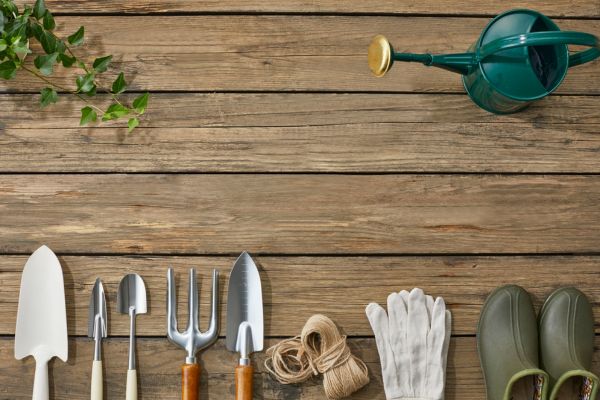

Starting a garden has a way of making even a small patch of soil feel full of possibility. A few pots on a balcony, a narrow strip beside the house, or a proper backyard bed can all become places where herbs, flowers, vegetables, and little daily rituals begin to grow. But before the first seed goes into the soil, most beginners face the same question: what tools do I actually need?
The world of gardening gear can look crowded at first. There are tools for digging, cutting, watering, measuring, pruning, tying, planting, feeding, and cleaning. Some are genuinely useful, while others only make sense once you have a larger garden or a more specific style of planting. The good news is that the gardening tools every beginner needs are fairly simple. You do not have to collect a shed full of equipment before you begin. A small, reliable set will help you handle most early gardening jobs with confidence.
A Hand Trowel for Everyday Planting
If there is one tool that quickly becomes part of almost every gardening task, it is the hand trowel. This small digging tool is used for planting seedlings, moving small plants, scooping compost, mixing soil, and making neat holes for bulbs or young vegetables.
A good hand trowel should feel comfortable in your hand and strong enough to push through firm soil. Beginners often underestimate how much pressure a trowel takes, especially when working in compacted ground or container soil that has dried out. A weak one can bend, which turns a simple job into a frustrating one.
For container gardening, herb pots, flower beds, and vegetable patches, a hand trowel is one of the most practical tools you can own. It is small, easy to store, and useful from the first day of planting.
Gardening Gloves That Actually Fit
Gardening looks gentle from a distance, but soil, thorns, rough stems, insects, splinters, and damp compost can be hard on the hands. A pair of well-fitting gardening gloves protects your skin while still letting you feel what you are doing.
The fit matters more than many beginners realize. Gloves that are too loose make it difficult to grip tools or handle small seedlings. Gloves that are too tight become uncomfortable after a short time. Lightweight gloves are useful for general planting and weeding, while thicker gloves are better for pruning thorny plants or handling rough materials.
Some gardeners like working bare-handed because they enjoy the feel of soil, and there is something lovely about that. Still, gloves are worth keeping nearby. They make longer sessions easier and help prevent small cuts that can become annoying later.
A Watering Can or Hose for Gentle Watering
Watering is one of the first gardening habits beginners learn, and the right tool makes a big difference. A watering can is excellent for small gardens, raised beds, containers, and indoor plants. It gives you control and helps avoid flooding delicate seedlings.
For larger outdoor spaces, a garden hose may be more practical. A spray nozzle with adjustable settings is especially helpful because different plants need different types of watering. Young seedlings need a soft shower, while established shrubs can handle a stronger flow.
The key is to water deeply enough without blasting the soil away. Many beginner plants struggle not because they are ignored, but because they are watered too harshly or too lightly. A simple watering tool that lets you control the flow will help you build better instincts.
Pruning Shears for Clean Cuts
Pruning shears, also called secateurs, are used for trimming stems, removing dead growth, cutting flowers, harvesting herbs, and shaping small plants. They may not seem necessary on the very first day, but once your plants begin to grow, you will reach for them often.
Clean cuts are healthier for plants than tearing stems by hand. Ragged breaks can invite disease or slow healing, especially on woody herbs, roses, small shrubs, and fruiting plants. A sharp pair of pruning shears makes the job quick and neat.
Beginners should choose shears that feel manageable rather than heavy. After each use, it helps to wipe the blades clean, especially if you have cut diseased leaves or sticky stems. This small habit keeps the tool working well and protects the rest of the garden.
A Garden Fork for Loosening Soil
Healthy soil is not just dirt. It has texture, air, moisture, and living activity inside it. A garden fork helps loosen compacted soil without turning everything into a heavy mess. It is useful for breaking up hard ground, mixing in compost, lifting root vegetables, and preparing beds before planting.
For beginners working with a small space, a hand fork may be enough. It works well in containers, raised beds, and tight corners. For larger garden beds, a full-size garden fork saves time and effort.
Soil that has never been gardened before can be stubborn. Using a fork to loosen it before planting gives roots a better chance to spread. It also helps water move through the ground instead of sitting on the surface.
A Spade for Bigger Digging Jobs
A spade is one of those classic garden tools that becomes more useful as your plans grow. It is used for digging planting holes, edging beds, moving soil, removing clumps of grass, and shaping new garden areas.
Unlike a shovel, which is often better for scooping and moving loose material, a spade usually has a flatter blade that cuts into soil more cleanly. This makes it useful for creating borders or digging with more control.
Not every beginner needs a large spade immediately, especially if the garden is made mostly of pots. But if you are planting shrubs, building beds, or working directly in the ground, a sturdy spade is worth having. It turns heavy work into something much more manageable.
A Rake for Leveling and Clearing
A rake helps prepare the surface of the soil and keeps the garden tidy. A garden rake with firm metal tines is useful for leveling soil, breaking up small clumps, and spreading compost. A leaf rake, which is lighter and wider, is better for gathering leaves, grass clippings, and loose garden debris.
Beginners sometimes skip the rake, then realize how often they need to smooth a bed after digging or clear fallen leaves from around plants. Good airflow around plants matters, and removing debris can reduce hiding places for pests and disease.
You do not need several types at first. Choose based on your space. A small garden bed may only need a hand rake, while a lawn or larger outdoor area benefits from a full-size rake.
A Weeding Tool for Persistent Roots
Weeds are part of gardening. They appear in containers, cracks, beds, and borders with impressive confidence. Pulling them by hand works sometimes, but many weeds snap at the surface and leave roots behind. That is when a weeding tool becomes helpful.
A narrow weeder can slide into the soil and lift roots more cleanly. This is especially useful for weeds with long taproots. Removing the root means the weed is less likely to return quickly.
Regular weeding is easier than waiting until the garden is crowded. A few minutes every few days can keep things under control. With the right tool, it becomes less of a chore and more like quiet garden maintenance.
A Wheelbarrow or Garden Tub for Moving Materials
Once you begin gardening, you quickly discover that soil, compost, mulch, pots, weeds, and plant trimmings all need to be moved from one place to another. For a larger garden, a wheelbarrow is a huge help. For smaller spaces, a flexible garden tub or bucket may be enough.
This tool is less about planting and more about saving your back. Carrying heavy bags of compost or armfuls of weeds gets tiring fast. A container made for moving garden materials keeps the work cleaner and easier.
Even balcony gardeners can benefit from a sturdy tub for mixing potting soil, collecting old leaves, or carrying tools. Gardening always involves a little mess, and having somewhere to put that mess makes the whole process smoother.
A Soil Scoop for Containers and Compost
A soil scoop is not always mentioned in beginner lists, but it is surprisingly useful. It is wider and deeper than a trowel, making it better for moving potting mix, compost, mulch, or fertilizer into containers.
If you plan to grow herbs, flowers, or vegetables in pots, a scoop keeps things neater. It helps you fill containers without spilling soil everywhere, and it is handy when refreshing old potting mix.
You can use a trowel for this job, of course, but a scoop feels easier when you are working with bags of compost or multiple pots. It is one of those small tools that quietly earns its place.
A Kneeling Pad for Comfort
Gardening often means bending, crouching, or kneeling for longer than you expected. A kneeling pad protects your knees from stones, hard soil, damp ground, and rough patio surfaces.
It may not sound essential, but comfort affects how long you enjoy working in the garden. If your knees ache after ten minutes, even simple planting can feel like a task to avoid. A padded surface makes weeding, transplanting, and pruning low plants much easier.
Some gardeners use a folded towel or old mat, and that can work. The point is to give your body a little kindness. Gardening should feel physical, yes, but not punishing.
A Simple Storage Routine Keeps Tools Ready
Beginner gardening is easier when tools are clean, dry, and easy to find. A small bucket, wall hook, shelf, or garden bag can keep everything together. After use, knock off soil, wipe metal parts, and let tools dry before storing them.
This simple routine prevents rust, keeps blades sharper, and saves time the next time you want to work outside. Tools do not need to look perfect, but they should be cared for enough to stay useful.
A small beginner kit can last for years if it is maintained well. That is one of the quiet pleasures of gardening: the same trowel, gloves, and shears begin to feel familiar, almost like part of the garden itself.
Conclusion
Choosing the gardening tools every beginner needs is not about buying everything at once. It is about starting with practical tools that support the work you will actually do: planting, watering, pruning, loosening soil, clearing weeds, and keeping the space comfortable.
A hand trowel, gloves, watering tool, pruning shears, fork, spade, rake, weeder, and a few comfort items can take you through the first season with ease. As your garden grows, your needs will become clearer. Until then, keep the setup simple, learn from the soil, and let each tool earn its place in your hands.