
New Orleans knows how to throw a party, but its appeal reaches far beyond Mardi Gras. Brass bands, Creole cooking, shaded courtyards, and layered history make the city rewarding even on an ordinary Tuesday. The trick is choosing dates that match your priorities. This New Orleans travel guide covers weather, festivals, French Quarter attractions, and neighborhoods worth exploring when the parade crowds have gone home.
When Is the Best Time to Visit New Orleans?
For comfortable walking weather, aim for March through April or October through November. Spring brings mild-to-warm days and lively cultural calendars; fall often offers pleasant evenings and a more relaxed pace. Neither season is automatically quiet. Major events can fill hotels and push up prices, so check the calendar before booking.
Spring: Great Weather, Popular Festivals
March and April are excellent for exploring on foot. Gardens look lively, outdoor dining is appealing, and humidity is generally lower than in midsummer. However, French Quarter Festival and the New Orleans Jazz & Heritage Festival draw substantial crowds. Dates change each year, and hotels can become expensive around event weekends.
Fall: A Strong Choice for Sightseeing
October and November are attractive if you want historic architecture, neighborhood walks, and live music without planning around Mardi Gras. October can still feel warm, while November usually brings cooler days. Fall events remain popular, so compare weekends rather than assuming the entire season is crowd-free.
Winter and Summer: Different Trade-Offs
December and January can offer good value outside holidays, with cooler, occasionally chilly weather. February varies dramatically: Carnival festivities can make it one of the busiest months. June through September is hot and humid, with frequent thunderstorms. Plan museums or long lunches during the hottest hours.
Atlantic hurricane season runs from June 1 through November 30. A storm is not guaranteed, but flexible reservations, weather alerts, and suitable travel insurance are sensible precautions, especially in late summer and early fall.
Understanding Mardi Gras and Other New Orleans Festivals
Mardi Gras Day falls on a different date each year, and Carnival celebrations build for weeks beforehand. Parades follow different routes across the metropolitan area, not simply Bourbon Street. For Mardi Gras, reserve lodging early, study official parade routes, and expect road closures and lengthy walks.
To avoid peak crowds, choose a week without headline festivals. You can still hear jazz, sample local cooking, and learn about parade traditions in museums. New Orleans festivals are a bonus, not a requirement for a memorable trip.
Must-See French Quarter Attractions
Jackson Square and St. Louis Cathedral
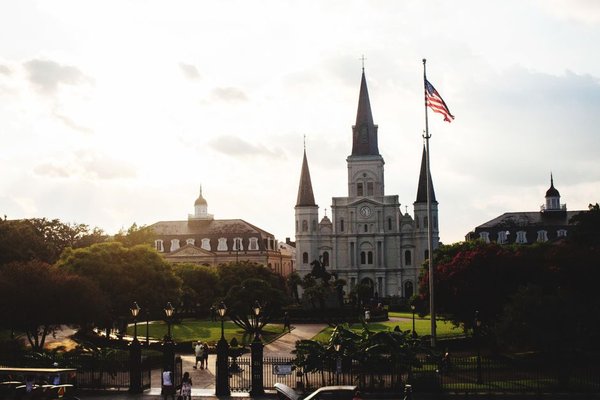
Start at Jackson Square, the historic heart of the French Quarter. Street performers and artists often enliven the surrounding area, while St. Louis Cathedral forms a striking backdrop. Nearby, the Cabildo and Presbytère offer museum visits connecting Louisiana history with the city’s celebrations and resilience.
Royal Street, the French Market, and the Riverfront
Royal Street rewards a slower stroll past galleries, antique shops, and ornate balconies. Continue toward Decatur Street for the French Market district, where food stalls, vendors, and Café du Monde make an easy stop. Finish near the Mississippi River for a view of the working waterfront.
Bourbon Street deserves a look if you are curious about its nightlife, but it is only one part of the Quarter. For a quieter experience, explore Chartres Street in the morning, when architectural details are easier to appreciate.
What to See Beyond the French Quarter
Frenchmen Street and the Marigny
For live music, head toward Frenchmen Street, where intimate clubs regularly showcase local performers. Check schedules and entry policies: some shows have cover charges, minimum purchases, or age restrictions. Going early can help you find a seat.
City Park and the Garden District
City Park offers oak-lined paths and a break from crowded streets. Add the New Orleans Museum of Art or the outdoor sculpture garden if time permits. In the Garden District, admire historic homes from public sidewalks and respect residential privacy. The St. Charles Avenue streetcar is an atmospheric way to see part of this area, although service may change during events.
Eating Your Way Through New Orleans
Food is central to visiting New Orleans. Try gumbo, jambalaya, po’boys, red beans and rice, or a muffuletta, but remember that no single restaurant represents the whole city. Creole and Cajun cooking have distinct histories, and recipes vary widely. Ask about ingredients if you have dietary restrictions.
Choose one well-known classic and one neighborhood spot. A New Orleans food guide can help you identify signature dishes without scheduling every meal around a famous queue.
A Practical Three-Day New Orleans Itinerary
On day one, explore Jackson Square, nearby museums, Royal Street, and the French Market. Save the evening for a jazz performance rather than trying to fit every landmark into one afternoon.
On day two, ride the St. Charles Avenue streetcar, walk part of the Garden District, and enjoy a leisurely lunch. On day three, visit City Park or another museum, then return to the French Quarter for a street or restaurant you missed.
For example, if your Saturday coincides with a large festival, swap your French Quarter walking day with City Park and return early Monday. That simple adjustment can make the same trip feel less hectic. A three-day New Orleans itinerary is a starting point, not a rigid checklist.
Useful Tips for First-Time Visitors
Stay near the French Quarter or Central Business District if walking access matters most. Expect uneven sidewalks and bring comfortable shoes. Streetcars are useful for many journeys but not always the fastest choice; confirm current routes and fares with the Regional Transit Authority.
New Orleans weather changes quickly. Carry water, sun protection, and an umbrella. In busy nightlife areas, keep belongings secure and use established transportation late at night. Leave room for unexpected music, a relaxed café stop, or simply sitting beside the river.
Frequently Asked Questions
What month is best for a first visit to New Orleans?
March, April, October, and November are popular choices for sightseeing. To avoid crowds, select dates outside major festival weekends and Mardi Gras.
How many days do you need in New Orleans?
Three full days cover major sights, music, and another neighborhood comfortably. Four or five days provide flexibility for museums, dining, and day trips.
Can you enjoy New Orleans without going to Mardi Gras?
Absolutely. Jazz venues, historic neighborhoods, restaurants, markets, and museums are available throughout the year. A nonfestival visit offers more time to appreciate everyday city life.
Is the French Quarter walkable?
Yes. Most central French Quarter attractions sit within a compact area, although summer heat, uneven pavement, and festival closures can affect walking comfort.
Make Time for the City Between the Celebrations
The best New Orleans trip balances famous sights with unscheduled moments. Choose spring or fall for comfortable exploring, Carnival if the spectacle is your main goal, and leave space for unexpected music and memorable meals. New Orleans is a festival city, but its everyday character is worth the journey.