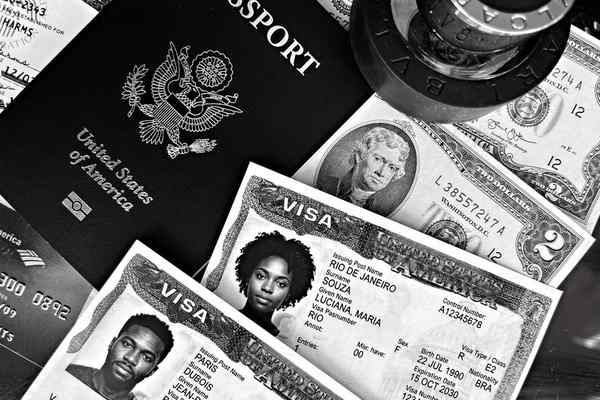

Walking out of a U.S. visa interview with a refusal notice can feel bewildering, especially when you have a genuine vacation or family visit planned. You may have answered honestly and still received a denial within minutes. That does not automatically mean the officer believed you were lying, or that you can never visit the United States.
The useful question is which legal ground was cited, what the officer needed to establish, and whether anything meaningful can change before another application. Understanding the main B1 B2 tourist visa denial reasons helps you make that distinction.
Read the refusal notice before making another plan
A refusal under section 214(b) of the Immigration and Nationality Act means you did not establish eligibility for the requested temporary visa or overcome the legal presumption of immigrant intent. For a visitor, the officer must be satisfied that your trip is temporary and that you qualify for the category. A 214(b) denial is not a lifetime ban.
A refusal under section 221(g) is different. The application may require documents or additional administrative processing. Although an online status page may say “Refused,” a 221(g) case can sometimes be resolved without filing an entirely new application. Follow the consulate’s written instructions rather than treating every refusal as identical.
Weak evidence of a life you intend to return to
One of the most familiar visitor visa refusal concerns is whether you will leave the United States when your visit ends. Officers evaluate your circumstances as a whole, including employment, family relationships, housing, financial commitments, and other connections outside the United States.
Owning property is not mandatory, and being young, single, or self-employed does not automatically disqualify you. However, someone with uncertain employment, few established commitments, and a lengthy proposed stay may struggle to explain why returning home is the natural next step.
Focus on genuine circumstances, not manufactured evidence. Employment records, business documents, or a credible explanation of responsibilities at home can provide context, but no single document guarantees approval.
A trip that seems vague, unusually long, or inconsistent
“Tourism” is legitimate, yet it should still make sense. An applicant requesting several months away from a full-time job without explaining approved leave may raise questions. So can a proposed trip whose destination, length, and budget change noticeably between the DS-160 and the interview.
You do not need a prepaid itinerary or nonrefundable tickets. You do need to explain where you expect to go, why, approximately how long you will stay, and who will cover the costs. For background, review a visitor visa interview checklist before submitting a fresh application.
Financial explanations that do not fit the visit
There is no universal minimum bank balance that guarantees a B-1/B-2 visa. The officer considers whether the proposed visit is financially realistic. A modest budget for a short trip can be more credible than a large balance that appeared just before the interview without explanation.
A relative may pay for your travel, but a sponsor’s money or invitation letter does not replace your obligation to qualify. U.S. State Department guidance says an invitation letter or affidavit of support is not required for a visitor visa. Explain your funding arrangements without assuming sponsorship settles the case.
The wrong activities for a visitor visa
B-1 generally covers certain temporary business activities, such as attending meetings or negotiating contracts; B-2 covers tourism, family visits, and other permitted activities. Neither is a general authorization to take a U.S. job. Plans involving unauthorized employment or study outside permitted visitor activities can lead to refusal.
Attending an industry conference is different from moving to the United States to perform ongoing work for a local company. If your plans involve work, formal study, or another specialized activity, check B-1 versus B-2 permitted activities and whether another visa category is appropriate.
Contradictions, missing information, and previous travel issues
The DS-160, your interview answers, and immigration records should tell a consistent, accurate story. Omitting a previous refusal, giving contradictory employment dates, or misunderstanding a question can complicate the assessment. Review every answer rather than relying entirely on an agent who filled out the form.
Prior overstays or immigration violations can also matter. The consequences depend on the facts and law involved; some cases create separate grounds of ineligibility, not merely a weak-ties concern. Deliberately providing fraudulent documents or materially false information is especially serious and can result in permanent visa ineligibility, subject to any applicable relief.
What to do after a 214(b) denial
Keep the refusal notice and write down the interview questions while you remember them. Compare your stated trip purpose, duration, employment, and funding with the answers on your DS-160. Identify genuine gaps or changed circumstances rather than guessing what an officer wanted to hear.
Consider a self-employed applicant who proposed a six-week holiday but could not explain how client work would continue or why business obligations required a return. Reapplying immediately with a thicker bank statement may change little. A later application showing an established business, a realistic two-week trip, and ongoing commitments could present materially different circumstances, if those details are true.
There is no standard waiting period after a 214(b) refusal, but there is no formal appeal either. A new application generally requires a new DS-160, an application fee, and another assessment. Reapplying for tourist visa approval makes most sense with meaningful new information or changed circumstances, not a rehearsed explanation.
What if the notice cites 221(g)?
Read what the consulate requested. If documents are missing, provide them through the specified procedure. The State Department generally allows one year from the 221(g) refusal to submit requested information; after that, a new application and fee are normally required. Administrative processing may take an unpredictable amount of time, and filing another application is not necessarily the answer.
Frequently asked questions
Does a 214(b) refusal mean I am banned from the United States?
No. A 214(b) refusal means you did not establish eligibility at that application. It is not itself a permanent ban, although future applications must still meet all requirements.
Can I reapply immediately after a B-1/B-2 denial?
You can generally submit a new application after a 214(b) refusal, but applying again without meaningful change may produce the same result. A separate fee applies, and previous refusals must be disclosed when requested.
Will a bigger bank statement or invitation letter fix the refusal?
Not necessarily. Financial evidence should fit the visit, and a host’s invitation does not replace evidence that you qualify and intend to depart. Officers consider the entire application.
Is a 221(g) refusal the same as a final tourist visa denial?
Not always. A 221(g) refusal may be overcome after requested documents or administrative processing. Follow the embassy or consulate’s instructions before deciding to start again.
A stronger next application begins with understanding
A denied visa is disappointing, but searching for a magic document or perfect interview phrase is unproductive. Start with the law cited on your notice, assess your real situation, and correct genuine gaps. A coherent temporary visit, truthful answers, and credible reasons to return matter more than a polished script. For another review, see a guide to completing Form DS-160 accurately.