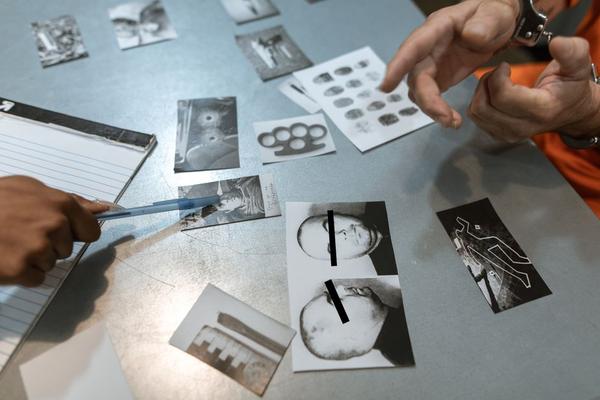

Criminal cases do not move directly from arrest to trial. One of the most important stages in between is the criminal discovery process, when the prosecution and defense exchange certain information and evidence before trial. Discovery can shape plea negotiations, reveal weaknesses in the government’s case, identify pretrial issues, and help both sides prepare for witnesses and exhibits.
In the United States, discovery rules vary between federal and state courts, and local rules can add requirements. Neither side automatically gets everything in the other side’s file, but specific rules and constitutional duties require disclosure of important categories of evidence.
What the criminal discovery process does
Discovery is the formal process for obtaining information the law requires the opposing side to provide. In federal cases, Federal Rule of Criminal Procedure 16 is a major source of pretrial discovery rights. It covers several categories of material the government may have to disclose and, in some situations, creates limited reciprocal duties for the defense.
What evidence prosecutors may have to share
Under federal Rule 16, discoverable material can include a defendant’s relevant written or recorded statements, certain oral statements made in response to questioning by a known government agent, the defendant’s prior criminal record, documents and tangible objects, reports of examinations and tests, and expert-witness information.
Documents and objects can include photographs, digital files, records, physical items, and other evidence within the government’s possession, custody, or control when the rule’s conditions are met. Material may be discoverable because it is important to preparing the defense, because the government plans to use it in its case-in-chief, or because it was obtained from or belongs to the defendant.
If the prosecution plans to use expert testimony, the defense may also be entitled to information about the expert’s opinions, reasons, and qualifications. That can give defense counsel time to consult another expert or challenge the proposed testimony.
Brady material is a separate constitutional duty
Some of the most important evidence disclosure obligations do not depend solely on Rule 16. Under Brady v. Maryland and later cases, prosecutors must disclose evidence favorable to the accused when it is material to guilt or punishment. This is commonly called Brady material.
Favorable evidence is not limited to something that proves innocence by itself. It can include information supporting a defense theory, weakening an element the prosecution must prove, reducing potential punishment, or undermining a key witness. Related case law, including Giglio v. United States, also covers material impeachment information that can affect a government witness’s credibility or show bias.
Federal prosecutors are expected to disclose qualifying exculpatory and impeachment information even without a specific defense request. Timing can depend on the evidence, controlling law, court orders, and the circumstances, but required disclosures must be provided in time for the defense to make meaningful use of them.
Not every government file is discoverable
A common misconception is that the defense immediately receives every police report, prosecutor note, witness statement, and internal document. Federal Rule 16 generally protects internal government documents created by attorneys or agents in connection with investigating or prosecuting the case. Government witness statements are also governed by separate law.
Witness statements and the Jencks Act
The Jencks Act, 18 U.S.C. § 3500, addresses certain prior statements of government witnesses. Under the statute, covered statements generally are not subject to discovery until the witness has testified on direct examination at trial. Prosecutors may provide them earlier, and court orders or local procedures can affect timing.
A witness statement can also contain Brady or Giglio information. If so, separate constitutional disclosure duties may affect how and when that information must be handled. Lawyers therefore look at the substance of the evidence, not simply the label on the document.
Discovery can be reciprocal
Pretrial discovery is not always one-way. When a defendant requests and receives certain categories of evidence, federal rules can require reciprocal disclosure of some defense material the defendant intends to use at trial, such as particular documents, test results, or expert information.
A practical example
Imagine a defendant is charged after a convenience-store robbery. The government has surveillance video, the defendant’s recorded interview, fingerprint results, and eyewitness statements. During discovery, defense counsel may receive the video, interview, forensic reports, and other discoverable material.
Now suppose one eyewitness originally described the robber as much taller than the defendant, while another witness received a benefit for cooperating with prosecutors. Those facts could be significant Brady or Giglio material because they may help the defense challenge identification or credibility. Counsel might use them to investigate further, prepare cross-examination, negotiate a plea, or support a pretrial motion.
This is why discovery is more than a paperwork exchange. It can change how both sides evaluate the case.
Protective orders and staged disclosure
Courts may restrict how sensitive discovery is shared or used. Protective orders can apply when evidence contains personal identifying information, confidential records, witness-safety concerns, classified material, or other sensitive information. A court may restrict copying, require secure handling, or limit who can review it.
Discovery can also arrive in stages as investigators finish reports, laboratories complete testing, experts form opinions, or prosecutors prepare witnesses. A related guide to pretrial motions can help explain what happens when attorneys dispute whether evidence should be produced, suppressed, excluded, or admitted.
What defendants should pay attention to
Someone involved in a case should review discovery with counsel rather than trying to interpret a large evidence file alone. Useful questions include what has been received, what remains outstanding, whether deadlines apply, and how the material affects motions, plea discussions, or trial preparation. A guide to plea bargaining can add context because discovery often influences whether a negotiated resolution is realistic.
Frequently asked questions
Does the prosecution have to share all evidence with the defense?
No. Discovery is governed by specific rules, statutes, constitutional duties, and court orders. Some material must be disclosed, while other information may be protected or subject to different timing rules.
What is Brady material?
Brady material is evidence favorable to the accused that is material to guilt or punishment. Related law also requires disclosure of certain material impeachment information about government witnesses.
When does discovery happen in a criminal case?
Discovery usually begins during the pretrial stage after charges are filed, but it can continue as new evidence is created or identified. Timing varies by jurisdiction, evidence type, local rules, and court orders.
Can evidence be disclosed shortly before trial?
Yes. Some categories are governed by timing rules that allow later disclosure, including certain witness statements under federal law. Other evidence must be disclosed early enough for the defense to use it effectively.
How discovery shapes the rest of the case
The criminal discovery process makes the evidence behind the charges more concrete. It lets the defense examine important parts of the government’s case, enforces constitutional disclosure duties, and gives both sides information needed for informed pretrial decisions.
Because federal, state, and local rules differ, no single checklist applies to every prosecution. But understanding Rule 16 material, Brady and Giglio disclosures, witness statements, reciprocal discovery, and protective orders makes the process easier to follow. Evidence sharing can directly affect motions, negotiations, trial strategy, and the fairness of the case.