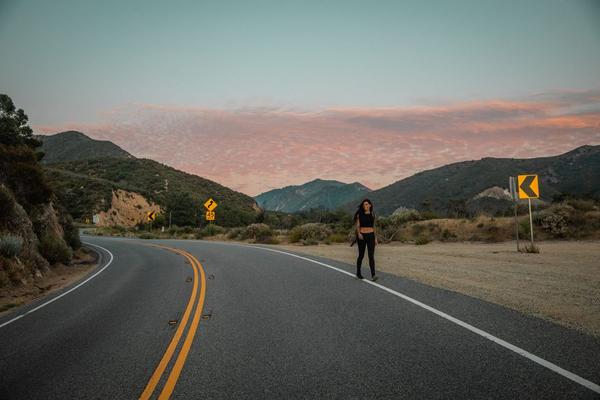

Solo travel across the United States gives you control over your route, pace, and priorities. It also leaves every decision to you, from choosing a neighbourhood to deciding whether a late-night walk feels sensible. The best solo travel safety tips for the USA are about reducing avoidable risk, staying aware, and building backup options before you need them.
Plan for the Exact Place, Not Just the City
A city may be popular with visitors while its neighbourhoods and transport routes vary considerably. Before booking, check where your accommodation sits in relation to the airport, station, attractions, and reliable transport. Read recent reviews, examine nearby streets on a map, and confirm whether reception will be staffed when you arrive.
Lists of safe solo travel destinations can offer inspiration, but no destination is automatically safe in every situation. A quiet coastal town may have limited transport after dark, while a busy city centre may be easier to navigate because hotels and public spaces remain active later. Base your decision on your arrival time, planned activities, mobility needs, and comfort level.
Create a Simple Check-In System
Share your itinerary with one trusted person, including accommodation, transport, and remote day trips. Agree on a realistic check-in rhythm. A city break may need only morning and evening messages, while a solo hike requires a precise route, return time, and instructions if you miss the deadline.
Avoid posting your live location publicly. Sharing photos after leaving a place protects your privacy without taking the fun out of documenting the trip. A good solo travel itinerary planning routine should also include backup transport and an alternative place to stay.
Protect Your Phone, Money, and Identification
Your phone may hold maps, tickets, bookings, emergency contacts, and payment apps, so battery life is part of solo trip safety. Carry a power bank, save essential addresses offline, and keep one emergency contact and your accommodation address on paper. Use a screen lock and enable device-location features.
Keep payment options separate. Store one card in your day bag and another securely at your accommodation. Carry only the cash you expect to use. When flying, check current identification requirements directly with the Transportation Security Administration before departure, particularly if you plan to use a state-issued ID.
Arrive While You Still Have Good Options
Whenever possible, arrive during daylight or early evening. You will have more transport choices, better visibility, and time to solve problems before services close. If a delay pushes your arrival late, change the plan.
Imagine landing in an unfamiliar city at 11:30 p.m. after your public transport connection has ended. The safer choice may be the official taxi queue or a verified ride booked through an app, even if it costs more. Confirm the vehicle and driver details before entering, sit where you feel comfortable, and avoid announcing that nobody is expecting you.
Choose Accommodation With Safety in Mind
Look beyond the nightly rate. Useful features include a staffed front desk, controlled building access, recent guest reviews, secure windows, a working door lock, and a well-lit entrance. Once inside, check the lock and identify the nearest emergency exit. Do not say your room number loudly in public, and ask staff not to reveal it to anyone.
If something feels wrong, request another room or leave. A prepaid booking is never more valuable than your safety. Comparing the best accommodation for solo travellers should therefore include access, staffing, location, and late-night transport, not price alone.
Use Transport Without Switching Off Your Awareness
Before setting out, check the route, final service, and transfer points. On buses and trains, remain in populated areas and keep bags closed. If a platform or carriage feels uncomfortable, move nearer to staff or other passengers.
With rideshares, match the licence plate, vehicle, and driver information shown in the app. Do not enter a car simply because someone calls your name; ask the driver to confirm the passenger name instead. Follow the route on your map and end the ride in a public, well-lit place if you become concerned.
Take Extra Precautions Outdoors
National parks, deserts, mountains, and forests may have limited mobile coverage and rapidly changing conditions. Check official park and weather information, carry enough water, remain on marked routes, and do not rely on your phone as your only navigation method. Tell someone when you plan to return.
Heat, altitude, storms, wildlife, and distance can turn an easy-looking activity into a serious problem. Choose a route that matches your fitness and experience, and turn back early if conditions deteriorate. Travelling alone safely sometimes means abandoning a viewpoint or trail goal. Review solo hiking safety essentials before any remote outing.
Trust Discomfort Before You Can Explain It
You do not need proof that a situation is unsafe before leaving. If someone is intrusive or a place feels wrong, move toward a staffed business, hotel lobby, ticket desk, or busy public area. Use a firm refusal, call someone, or ask an employee for help.
Good solo travel precautions create confidence because you know your next step. Keep enough money for an unplanned ride, identify a backup route, and give yourself permission to change the day’s schedule. Avoid becoming so focused on saving money or following an itinerary that you ignore a sensible exit.
Know What to Do in an Emergency
Call 911 in the United States when you need immediate police, fire, or medical assistance. For non-urgent concerns, use the relevant local or property contact. Keep emergency alerts enabled, pay attention to official weather warnings, and follow evacuation or shelter instructions rather than relying on rumours.
If you lose identification, a bank card, or your phone, move somewhere secure, contact the relevant provider, and tell your check-in person what happened. A calm sequence of small actions is more useful than trying to solve everything at once.
Frequently Asked Questions
Is solo travel in the USA safe?
Solo travel can be managed safely, but risk varies by location, timing, activity, and personal circumstances. Research specific neighbourhoods, use reliable transport, protect your belongings, and maintain a simple check-in plan.
Should I tell strangers that I am travelling alone?
You do not need to share that information. In casual conversation, you can say you are meeting someone or that a friend expects your call. Keep accommodation details, schedules, and live location private.
What should I carry for solo travel safety?
Carry identification, a charged phone, a power bank, one backup payment method, essential medication, water, emergency contacts, and offline access to important addresses. Outdoor trips may require extra navigation, weather, and first-aid supplies.
What is the safest way to explore after dark?
Stay in active, well-lit areas, know how you will return, avoid isolated shortcuts, and use verified transport when walking no longer feels sensible. Let someone know when you are safely back at your accommodation.
Travel With Awareness, Not Fear
Strong solo travel safety comes from thoughtful planning, private check-ins, reliable transport, secure accommodation, backup payment options, and a willingness to leave uncomfortable situations. These habits cannot remove every risk, but they give you more control when plans change. Prepare carefully, stay flexible, and let confidence grow from the systems you put in place.