
When wildfire approaches your neighborhood or a hurricane heads toward the coast, one question suddenly matters more than the monthly premium: does renters insurance cover natural disasters? Yes, for some events, but not all. Standard U.S. renters policies commonly protect belongings against fire, lightning, and many windstorms. Flooding and earthquakes are usually excluded, even when the damage forces you out of your apartment.
The key distinction is the cause of damage, not whether a disaster has an official name. A hurricane can bring covered wind damage and excluded flood damage to the same building. Understanding that difference before a storm is much more useful than discovering it during a claim.
What a standard renters policy protects
Renters insurance typically covers personal property, personal liability, and additional living expenses when a covered loss makes your home unlivable. Your landlord’s insurance generally protects the building, not your furniture, clothes, or computer.
Coverage depends on the causes of loss listed in your policy, its limits, deductibles, and exclusions. A named-perils policy pays for specifically listed events. A broader form may insure more causes of loss but still exclude certain disasters. Check your documents rather than assuming every natural disaster qualifies.
Which natural disasters are usually covered?
Fire, wildfire, smoke, and lightning
Fire and lightning are commonly covered. If wildfire damages your electronics or furniture, your policy may pay for covered possessions, subject to the deductible and limits. Smoke damage can also qualify. In high-risk areas, insurers may restrict new coverage or temporarily stop issuing policies during active wildfire threats.
Tornadoes, hail, and windstorms
Standard policies generally cover belongings damaged by tornadoes, hail, and wind, although regional exclusions or special deductibles may apply. Suppose wind breaks a window and rain immediately damages your couch. That loss might be covered if the rain entered through storm-created damage. Water entering another way can produce a different result.
Hurricanes: wind and water are different risks
Hurricane insurance for renters is not necessarily one all-inclusive policy. Wind damage may be covered, but some coastal policies exclude wind or apply a separate hurricane or named-storm deductible. Rising floodwater and storm surge are generally excluded from ordinary renters insurance.
Two neighbors affected by the same hurricane could therefore have different claims. One loses belongings when wind tears open a roof; the other loses them when surge floods a ground-floor apartment. Ask about wind exclusions and special deductibles, not simply whether hurricanes are covered.
Which disasters need separate coverage?
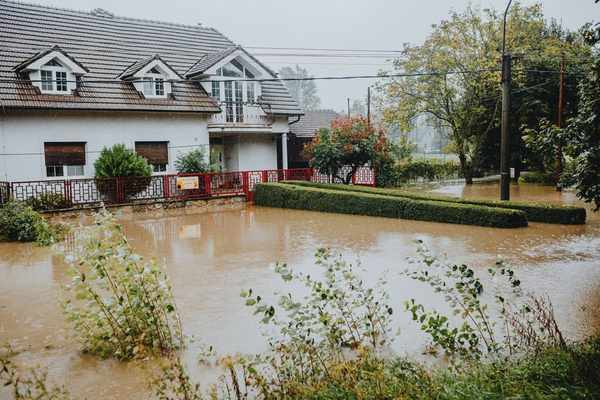
Flooding and storm surge
Floods from overflowing rivers, surface runoff, or coastal surge are not usually covered. Separate flood insurance for renters can protect belongings. The National Flood Insurance Program (NFIP) offers contents-only policies for eligible tenants, with limits up to $100,000. Private flood insurance may offer other choices.
Do not assume your landlord’s flood policy protects your possessions. NFIP contents coverage also excludes hotel bills and other additional living expenses. New NFIP policies generally have a 30-day waiting period, with exceptions, so buying when a storm appears in the forecast may be too late.
Earthquakes and earth movement
Damage caused directly by earthquake shaking is generally excluded. For earthquake coverage as a tenant, ask about a separate renters earthquake policy or endorsement available in your state. Deductibles and restrictions may differ from standard insurance. Fire following an earthquake can be treated differently from damage caused by shaking, depending on the contract.
Sewer backup and other water damage
A burst indoor pipe or an upstairs neighbor’s overflowing bathtub may be covered, while floodwater entering from outside generally is not. Sewer or drain backup often needs a separate endorsement. During heavy storms, more than one source of water can affect an apartment. If safe, photograph where the water entered.
Will insurance pay for a hotel after a disaster?
Additional living expenses, also called loss-of-use coverage, can help with reasonable extra costs for temporary housing and meals when a covered event makes your rental uninhabitable. Payment is subject to limits and normally applies to expenses beyond your regular living costs.
Displacement alone does not guarantee reimbursement. If an excluded flood is the only cause of damage, standard renters insurance generally will not pay for a hotel. Evacuation orders and power outages have their own policy conditions. Check these terms before relying on reimbursement.
How to close the biggest coverage gaps
Start with your address and realistic hazards. Check FEMA flood maps, remembering that flooding also occurs outside designated high-risk zones. In earthquake-prone areas, compare earthquake coverage. Coastal tenants should confirm wind protection rather than assuming it comes standard.
Review four details when buying or renewing a policy. First, calculate your personal property limit using the cost of replacing furniture, clothing, kitchen equipment, and electronics. A home inventory helps you avoid guessing.
Second, check whether claims pay replacement cost or actual cash value. Actual cash value usually accounts for depreciation, which could leave you with less money to buy new items. Third, compare ordinary deductibles with storm-specific or earthquake deductibles. Finally, check the temporary housing limit and exclusions.
For related guidance, consider reading about creating a home inventory, understanding renters insurance deductibles, and comparing renters insurance coverage options before choosing a policy.
A realistic example: one storm, three losses
Imagine renting a ground-floor apartment near the Gulf Coast. A hurricane breaks a window, ruining a desk with wind-driven rain. Later, storm surge floods the room and destroys a sofa. A power outage spoils refrigerated food.
Your insurer may evaluate all three losses differently. The desk might qualify as wind damage; the sofa likely needs flood coverage; spoiled food depends on specific terms. If the apartment becomes uninhabitable because of covered wind damage, additional living expenses may apply. If flooding alone caused the displacement, they generally will not.
Before a disaster, photograph valuables, save receipts digitally, and keep an accessible copy of your policy. Afterward, prioritize safety, prevent further damage when reasonable, and document losses before discarding belongings. Report the claim promptly and ask how each cause of damage will be assessed.
Frequently asked questions
Does renters insurance cover natural disasters automatically?
It generally covers specified events, often including fire, lightning, and windstorms. Flood and earthquake damage commonly require extra protection. Exact terms vary by state, insurer, and policy.
Do upstairs renters need flood insurance?
Higher floors usually face less direct floodwater exposure, but risks depend on the building and location. Evaluate your personal exposure instead of assuming an upstairs apartment is completely safe.
Does renters insurance cover hurricane evacuation costs?
Not automatically. Additional living expenses generally require covered damage or another specific policy trigger. A precautionary evacuation alone may not qualify.
Can I buy earthquake coverage after shaking begins?
Availability and binding restrictions vary. New insurance cannot retroactively cover damage that has already happened. Explore coverage before there is an urgent threat.
The bottom line
Renters insurance can be valuable disaster protection, but it is not blanket coverage for every natural hazard. Treat fire, wind, flood, and earthquake as separate questions. Check your policy, consider extra protection where appropriate, and make an inventory now. Preparation can make recovery less financially uncertain.