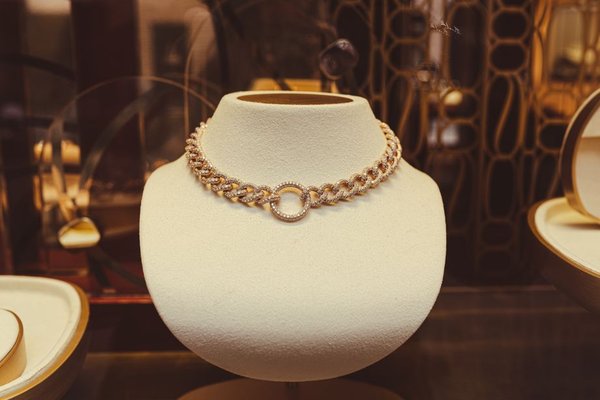

A stolen engagement ring can expose a costly misunderstanding: the homeowners policy that covers your furniture and electronics may pay only a small amount toward expensive jewelry. Yes, homeowners insurance generally covers jewelry and other valuables as personal property, but the amount and circumstances matter. A policy with $100,000 in personal property coverage does not necessarily provide $100,000 of theft coverage for rings or watches.
The difference comes down to special limits, exclusions and the type of loss. Before assuming a valuable item is protected, find out which limit applies and whether extra coverage is worth buying.
How Standard Homeowners Insurance Covers Jewelry
Most standard U.S. homeowners policies cover personal belongings against specified risks, including theft, fire and certain storm damage. Jewelry normally falls within this protection. Coverage may also extend to belongings temporarily away from home, subject to policy conditions and possible off-premises limits.
However, insurers often impose a jewelry insurance sub-limit, especially for theft. According to the Insurance Information Institute, a common standard-policy theft limit is around $1,500. That is a typical reference point, not a guaranteed amount: your insurer, state, policy form and endorsements determine the actual figure.
Crucially, the theft limit is commonly an aggregate cap for jewelry in a single loss, not $1,500 for each ring. Check your policy’s wording under “Special Limits of Liability” and ask your insurer how it applies to multiple items.
Why the Valuables Coverage Cap Can Be Surprising
Imagine a burglar steals a $6,000 engagement ring and a $2,000 watch. You have $80,000 of personal property insurance, but your policy caps theft of jewelry at $1,500 in total. Even though the stolen items are worth $8,000, the jewelry theft cap could restrict the covered amount to $1,500 before any applicable deductible or other claim conditions.
Does the Same Limit Apply to Fire Damage?
Not necessarily. A special jewelry sub-limit may apply specifically to theft. If a covered house fire destroys your jewelry, a different limit may govern the claim, potentially the broader personal property limit. Payment still depends on the policy’s valuation terms, deductible and exclusions. Never assume the $1,500 theft figure controls every kind of loss.
What About Watches, Art, Antiques and Collections?
Other valuable belongings may have their own rules. Expensive watches are often treated as jewelry, while cash, coins, precious metals, firearms, silverware and certain collections may be subject to separate limits or conditions. Artwork and antiques may be covered for eligible losses, but establishing their value can be difficult without records or an appraisal.
The exact category matters. Ask for the policy language applicable to each valuable rather than relying on a general promise that “contents are covered.” For context, review your policy’s personal property coverage limits.
Which Jewelry Losses Usually Are Not Covered?
The reason an item disappears is as important as its price. Theft coverage for jewelry typically responds to covered theft, subject to policy terms. Accidentally losing a ring at the beach is different: ordinary homeowners insurance often does not cover misplacement or mysterious disappearance.
Dropping a gemstone into a drain or damaging a setting through everyday wear may also fall outside standard coverage. Wear and tear and intentional damage are generally excluded. Even broader jewelry insurance can contain restrictions, so check the definitions of accidental damage and unexplained loss.
How to Get Better Protection for Expensive Jewelry
Schedule Individual Items
A scheduled personal property endorsement, sometimes called a floater, identifies particular valuables and insures them for an agreed or stated value under specified terms. These arrangements often offer broader protection than standard homeowners coverage, sometimes including accidental loss, and may use a different deductible. Coverage is not automatically unlimited or free of exclusions.
Insurers commonly ask for a receipt, detailed description or recent professional appraisal, particularly for high-value pieces. For a ring worth several thousand dollars, scheduling can address a meaningful gap between its value and the standard theft limit.
Increase the Special Limit or Buy a Separate Policy
Some insurers allow higher unscheduled jewelry limits. This may be simpler than listing individual items, but increased coverage may retain restrictions on individual pieces and types of losses. Standalone jewelry insurance offers another route, particularly if you want a policy separate from homeowners coverage.
Compare annual premiums, deductibles, valuation methods, repair or replacement requirements, coverage while traveling and what happens after a claim. Also ask whether a jewelry claim could affect renewal pricing on your homeowners policy.
A Practical Checklist Before You Buy Coverage
Start with the declarations and endorsements attached to your current policy, then request the full special-limits wording. For each valuable item, record its description, approximate current replacement cost, purchase receipt, serial number if applicable, and clear photographs. Store copies somewhere accessible if your home is damaged.
Next, ask your agent for written answers: Is the theft limit per item or per occurrence? Does a deductible apply? Are accidental loss and unexplained disappearance included? Is coverage valid abroad? Will the insurer pay cash, repair the item or arrange a replacement through a jeweler?
For an engagement ring, take one extra step: verify whether an appraisal describes the ring accurately, including the center stone, setting and distinctive details. An old retail price may not reflect today’s cost of replacing a comparable piece.
Keeping a home inventory and understanding replacement cost versus actual cash value can also make a future claim much easier to navigate.
Frequently Asked Questions
Does homeowners insurance cover a stolen diamond ring?
Usually, covered theft of a diamond ring falls under personal property protection. However, a special jewelry theft limit, often around $1,500 in a standard policy, may prevent reimbursement of the full ring value. Check the actual policy and deductible.
Is a lost wedding ring covered by homeowners insurance?
Simply misplacing a wedding ring is generally not covered by standard homeowners insurance. Scheduled or standalone jewelry coverage may protect against accidental loss or mysterious disappearance, depending on its terms.
Do I need an appraisal to insure an engagement ring?
Not always for basic homeowners coverage. An insurer may require an appraisal or other valuation evidence when you schedule a valuable ring. Keep receipts, photographs and updated documentation even when an appraisal is not mandatory.
Is jewelry covered when stolen outside the house?
Many homeowners policies provide some personal property theft coverage away from home, but exclusions, special jewelry limits and off-premises restrictions may apply. Review the terms before traveling with expensive pieces.
Know the Limit Before You Need It
Homeowners coverage for jewelry and valuables is real, but it is not a promise to replace every expensive possession at its full value. Compare your highest-value items against the actual theft sub-limit, then decide whether a higher limit, scheduled endorsement or separate policy offers the protection you want. A short policy review now is easier than discovering the gap after a loss.